

All Posts


Use a chunky soil mix such as any orchid or epiphyte branded potting soil mix.
We use a combination of of Perlite, Vermiculite, Pine Bark, and Coconut Coir.
Hoyas are generally drought tolerant with the acceptation a few thin-leaved Hoyas.
Water thoroughly after soil completely drys out.
Hoya's thrive in moderate humidity (around 50%), but can tolerate humidity as low as 30%.
Thrives in Bright, Indirect Sunlight.
Can grow in low indoor lighting but will not flower.
60-85°F
Hoyas flower about twice a year.Hoyas grow "peduncle" (stalk supporting a flower) along the stem.
When cutting hoya, avoid getting its sap on your skin as it can be an irritant.
NOTE: Hoya flowers drip sap, not much, but be careful about what's placed under.
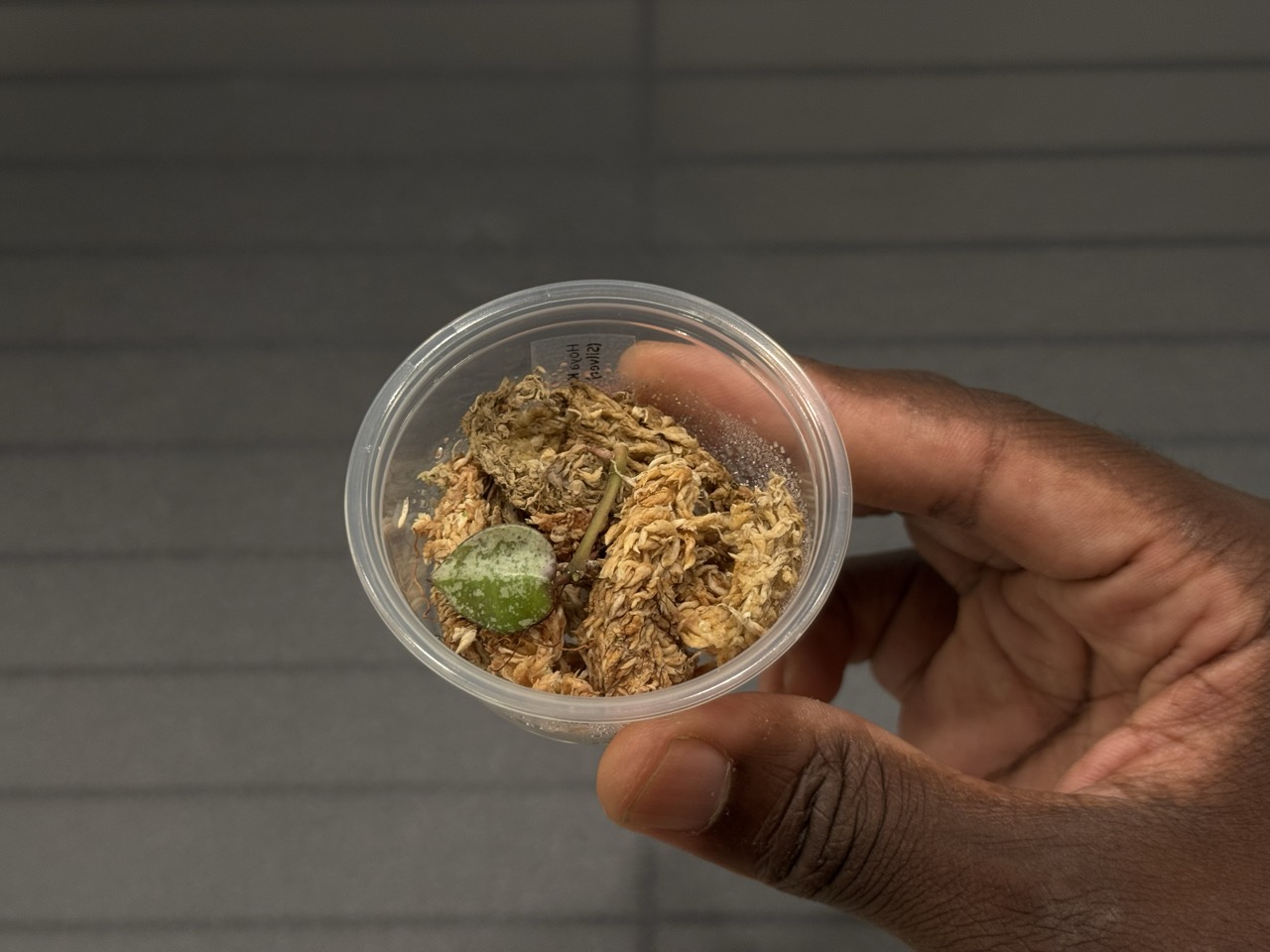
Common names for this genus are waxplant, waxvine, waxflower or simply hoya. This genus was named by botanist Robert Brown, in honour of his friend, botanist Thomas Hoy.
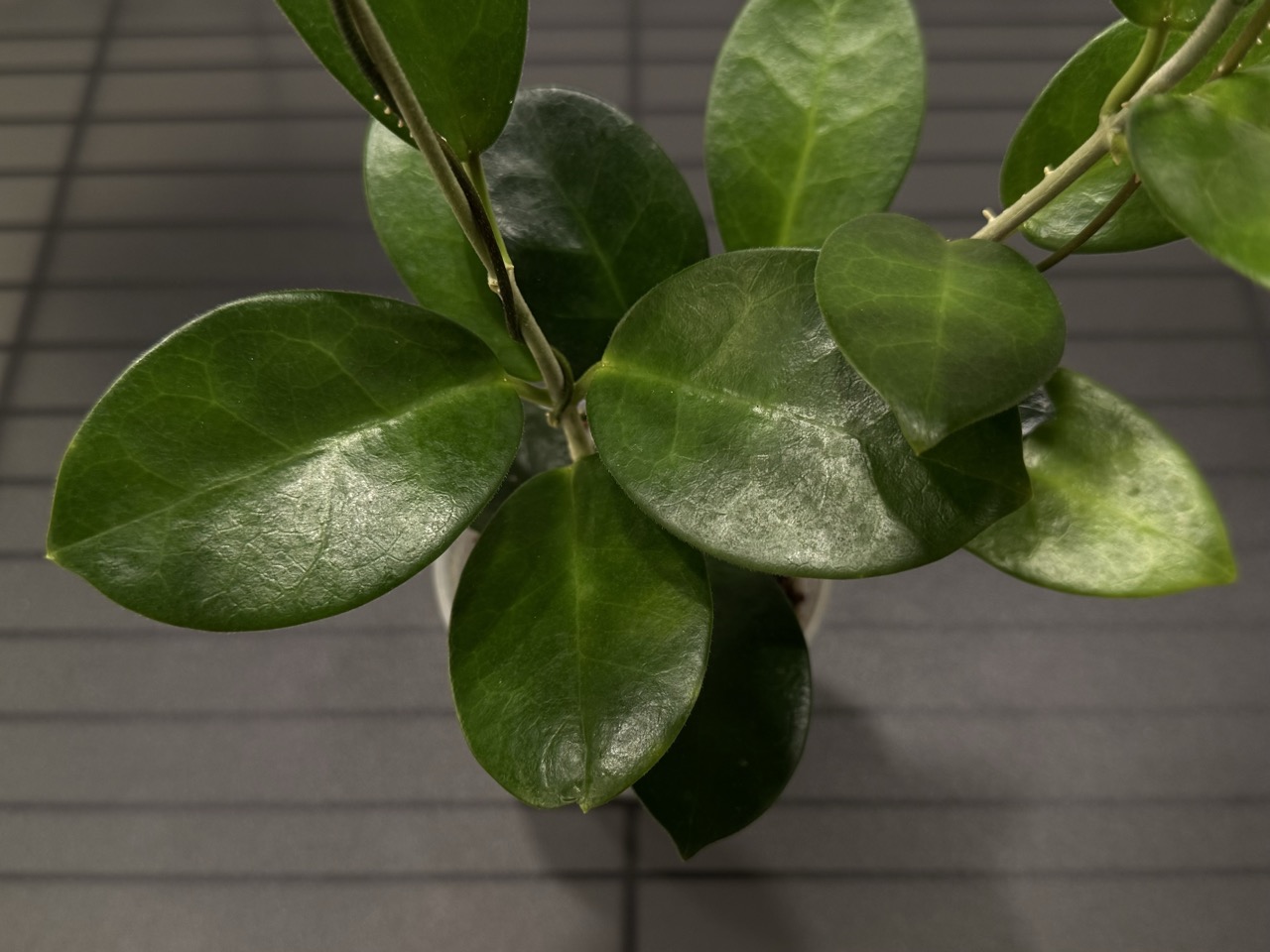
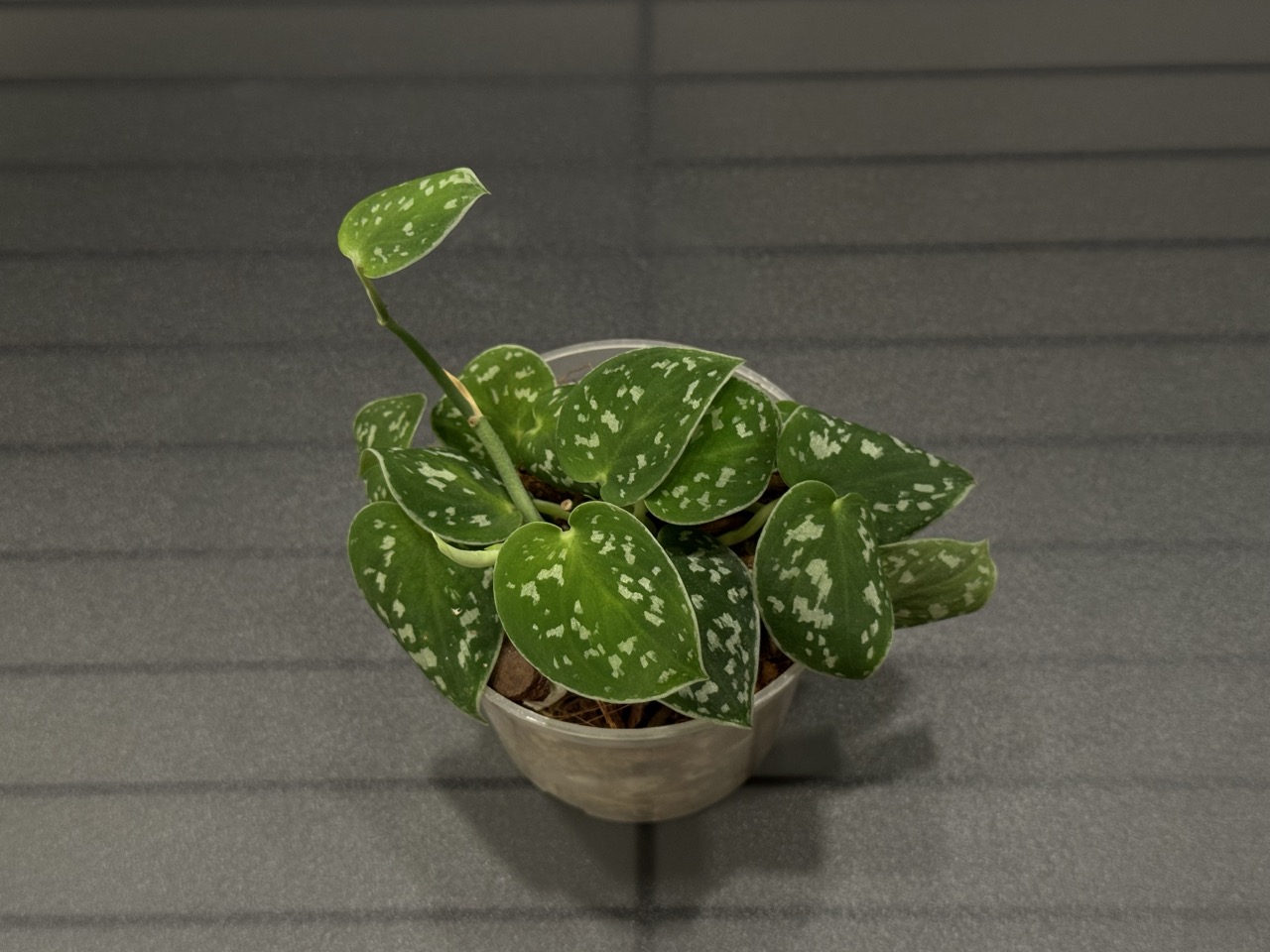
Hoyas are evergreen perennial creepers or vines or rarely, shrubs. They often grow epiphytically on trees; some grow terrestrially, or occasionally in rocky areas. They climb by twining, and with the employment of adventitious roots. Larger species grow 1–18 m (3–59 ft), or more, with suitable support in trees. They have simple entire leaves, arranged in an opposite pattern, that are typically succulent. Leaves may exhibit a variety of forms, and may be smooth, felted or hairy; venation may be prominent or not, and many species have leaf surfaces flecked with irregular small silvery spots.
The flowers appear in axillary umbellate clusters at the tip of peduncles. Hoya peduncles are commonly referred to as spurs. In most species these spurs are perennial and are rarely shed. Each flowering cycle increases the length of the spur, and in the larger species can eventually reach 27 cm (11 in) or more. Flowers vary in size from 3 mm (1⁄8 in) (Hoya bilobata Schltr.) to over 95 mm (3+3⁄4 in) (in H. lauterbachii K. Schuman) in diameter. Flower form is typically star-shaped, with five thick, waxy, triangular petals, topped with another star-shaped structure, the corona. Colours on most species range from white to pink; there are species that exhibit yellow to orange, dark reds to near-black, and there are green flowers. Many are sweetly scented. and most produce abundant nectar.
Pollinators include moths, flies, and ants. Pollination is poorly understood, but plants left outdoors in temperate regions do sometimes produce seed, indicating pollination by local insects.
Seeds are borne in twin pods, actually follicles, are generally light, and are dispersed by the wind by means of a small tuft of silky fluff. Germination is rapid, but viability is not long.
At least some species exhibit crassulacean acid metabolism (CAM), including H. carnosa.
Several species exhibit adaptations for mutualism with ants by providing modified leaves for domatia ("homes"), much as in the related genus Dischidia; H. imbricata has leaves that form a concave cup over the tree trunk it climbs up to shelter ants, and H. darwinii has arrangements of bullate leaves on its stems to form shelters.
Source: Wikipedia

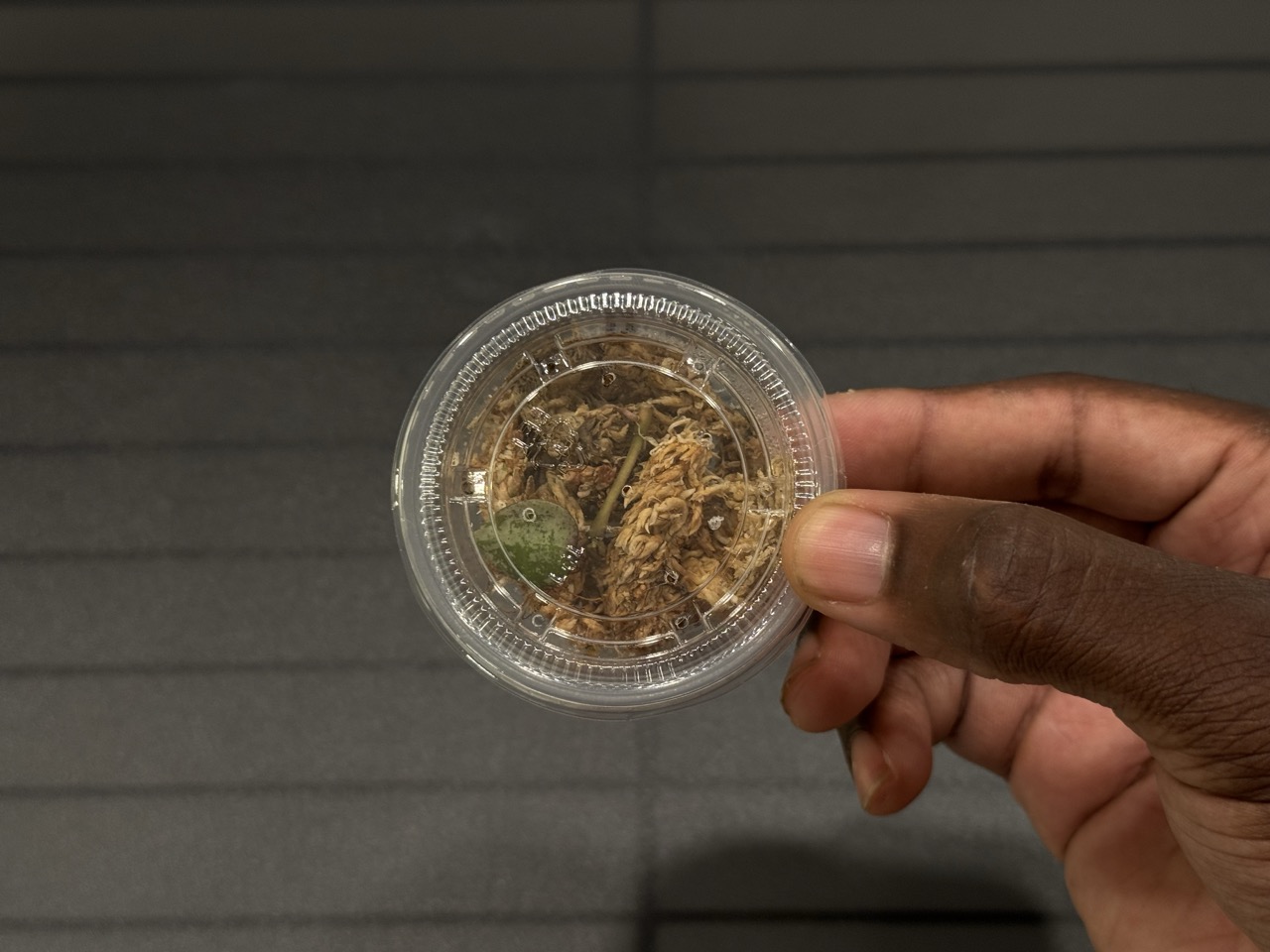
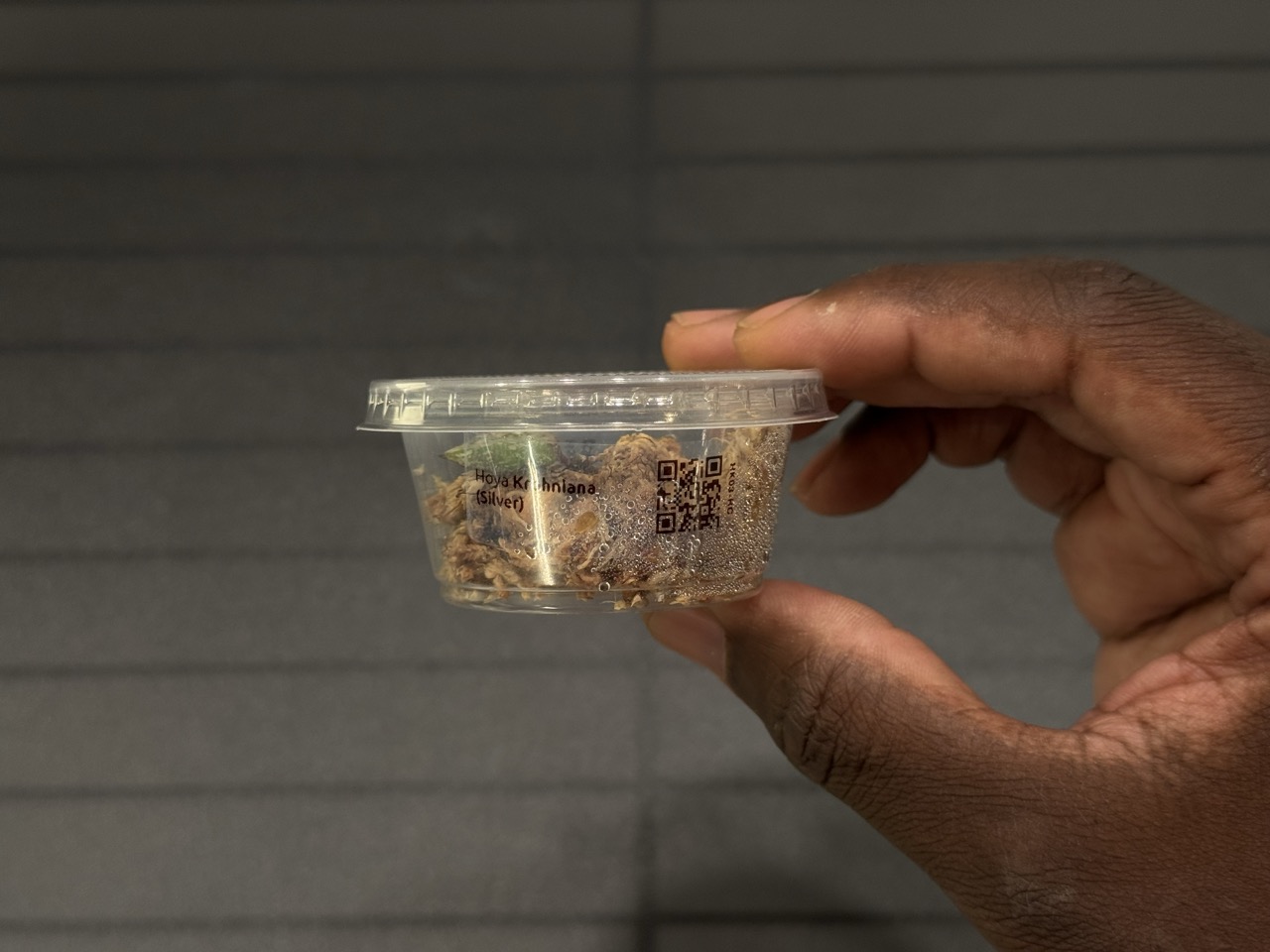
Each plant is unique; size varies so all measurements are shown as a range.