

All Posts


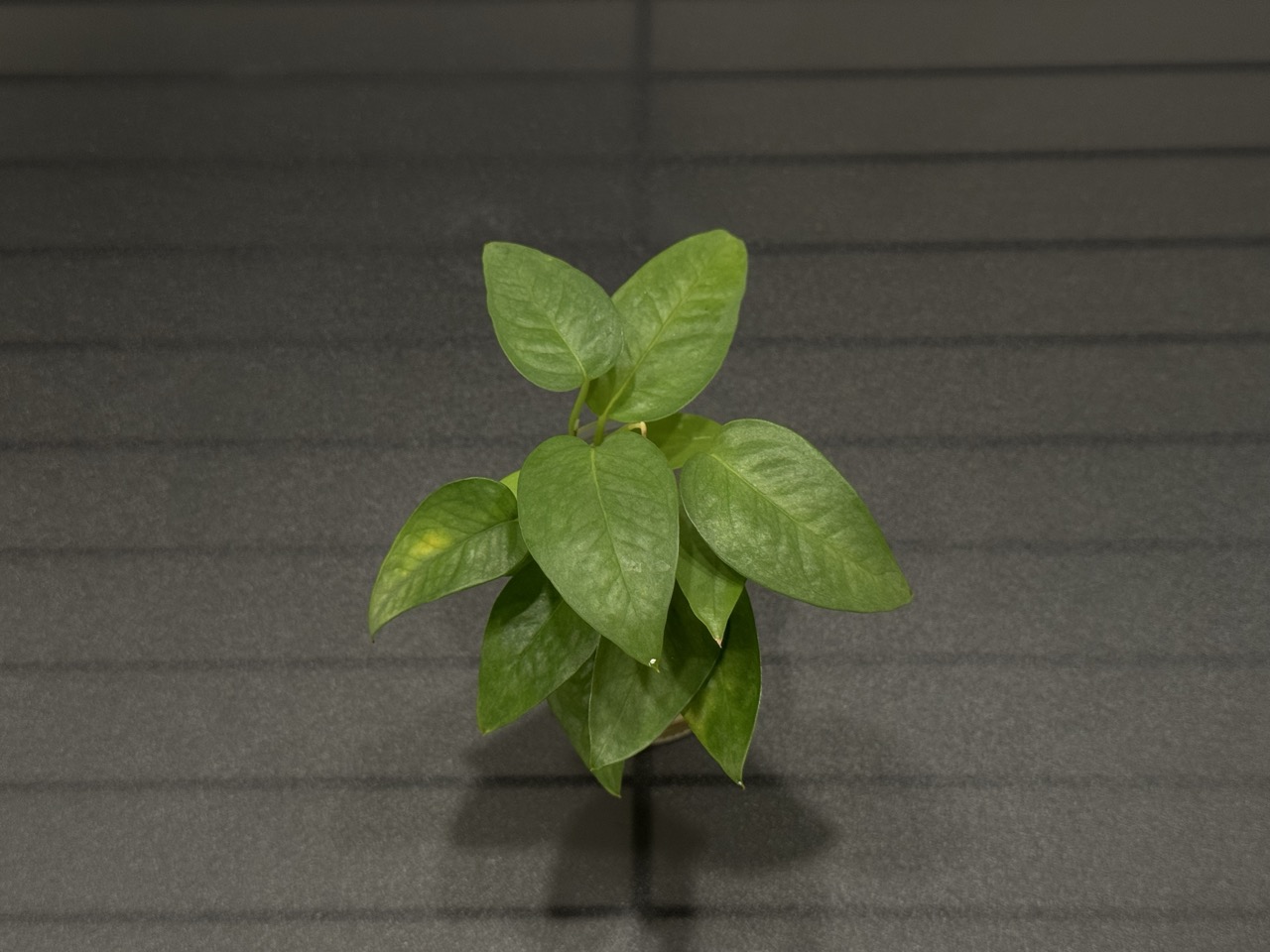
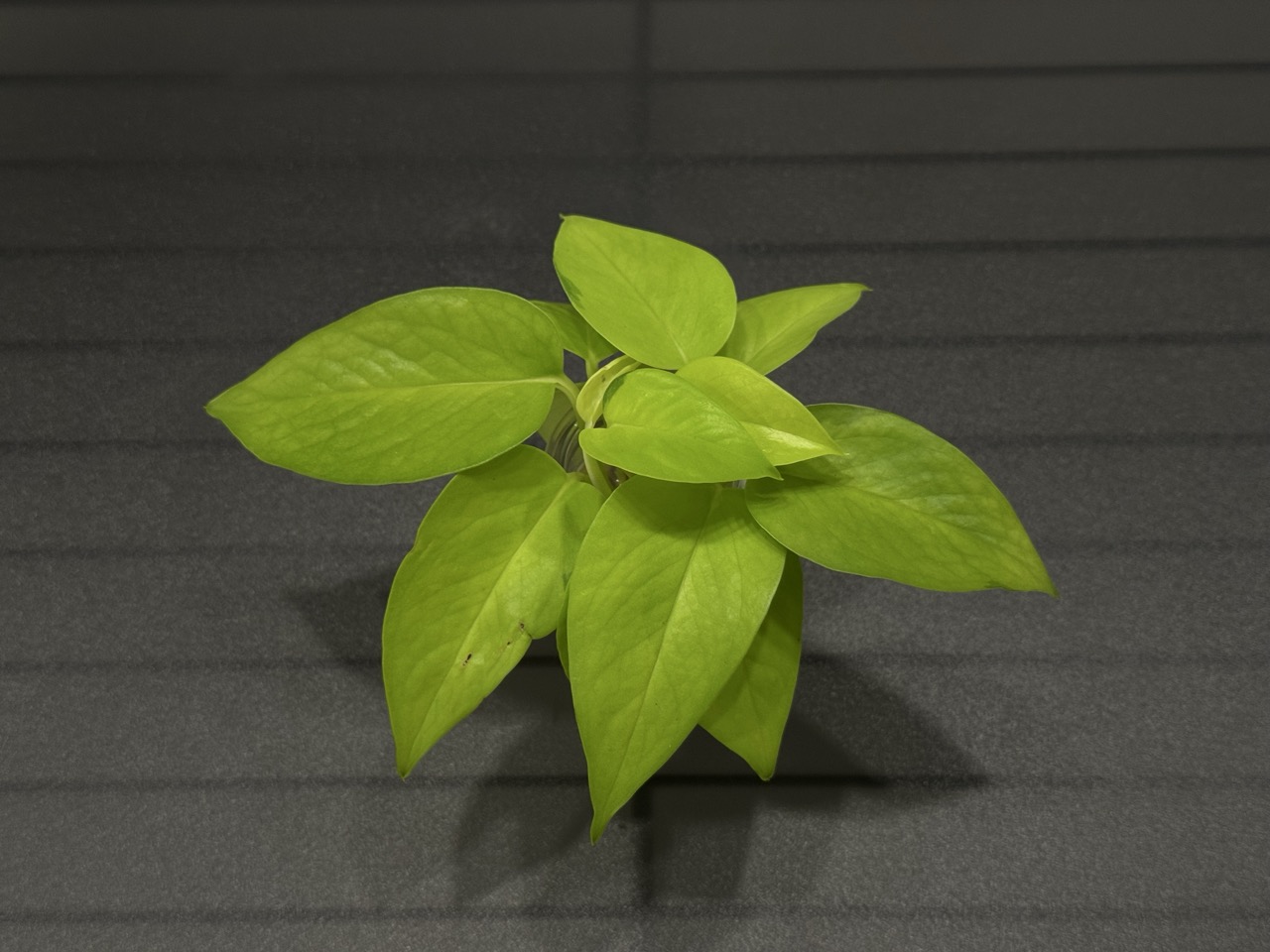
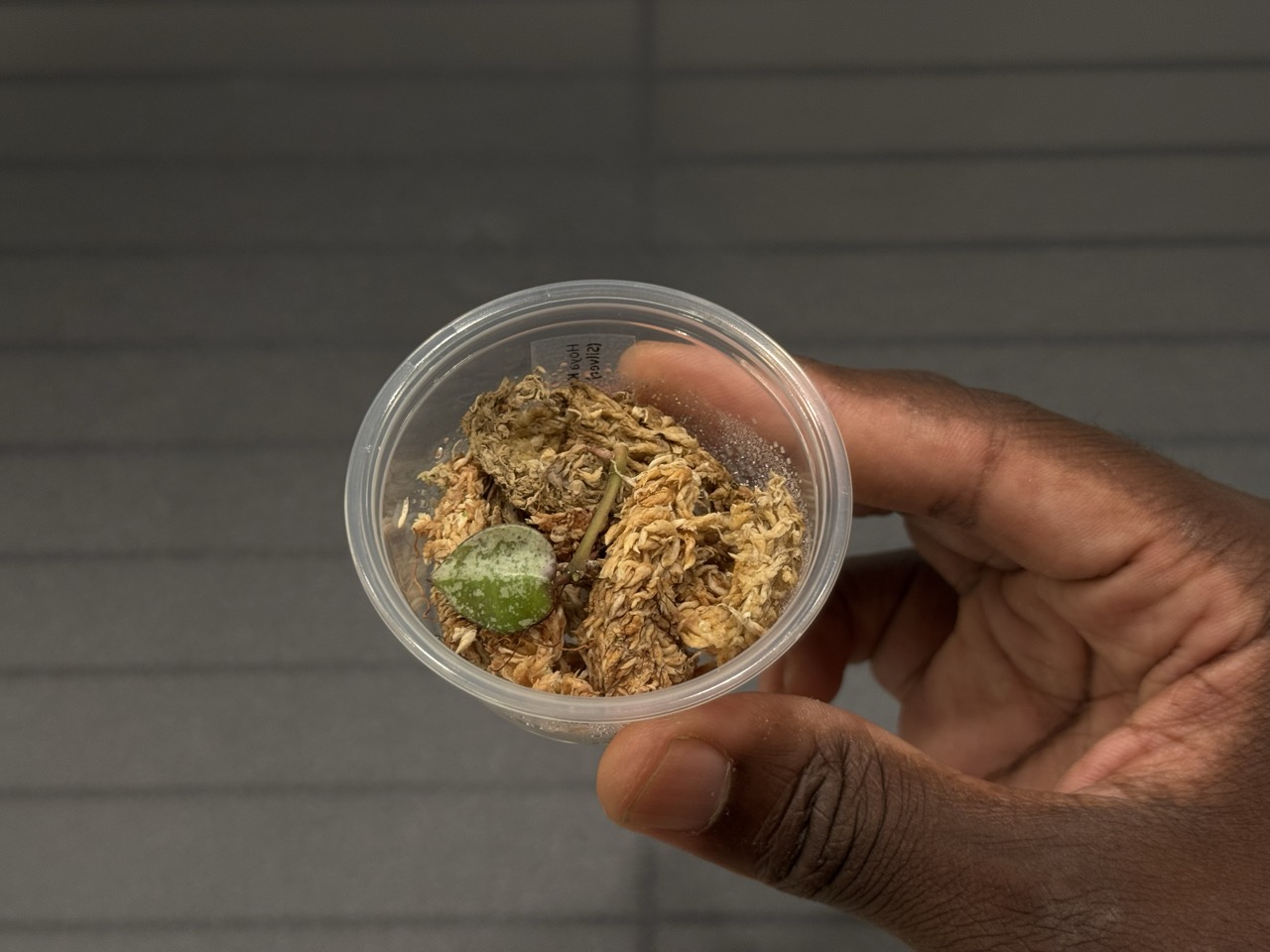
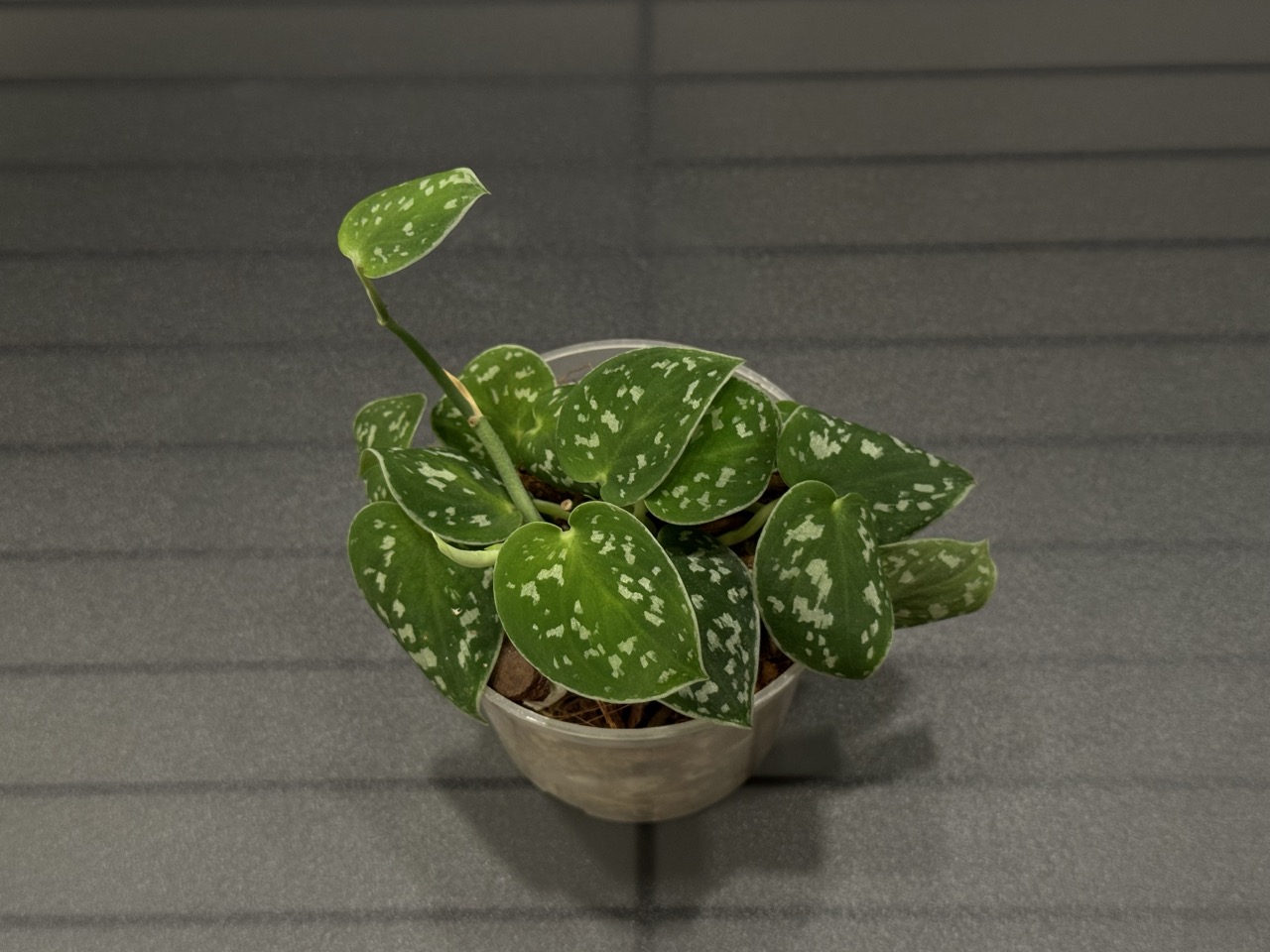
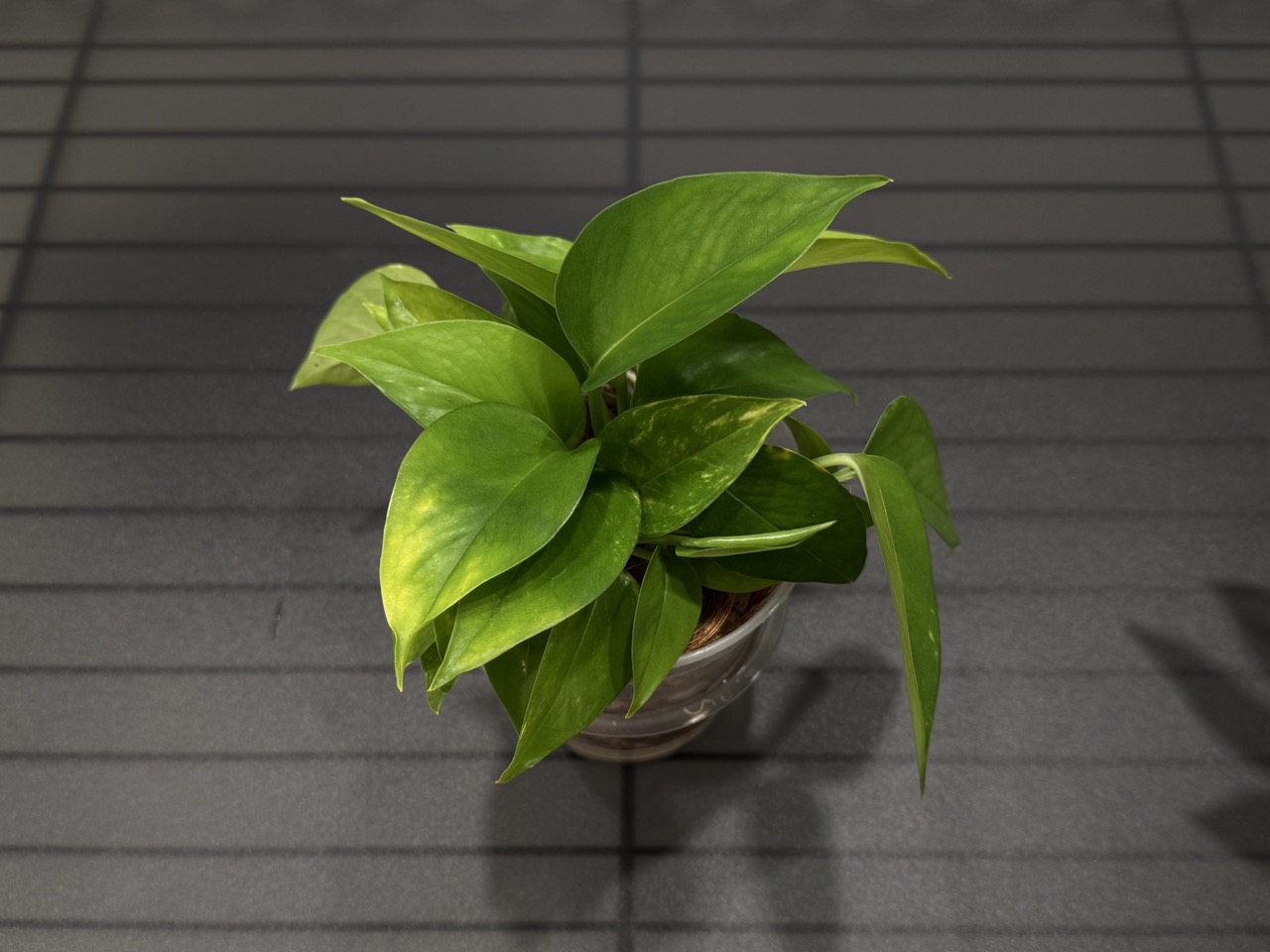
Epipremnums require occasional watering, bright indirect light, and a well-draining soil mix.
Water epipremnums when the soil dries. They’re drought-tolerant.
Tip: They indicate when it’s time to water by drooping their leaves.
Maintain a humidity level between 50% and 70%.
Epipremnums thrive in bright, indirect sunlight.
They can tolerate low indoor artificial lighting conditions.
Use a chunky soil mix specifically designed for orchids or epiphytes, such as an orchid or epiphyte-branded potting soil mix.
The pH level should be around 6.3.
Our plant comes fertilized.
After 6 months to a year, you can either start micro-dosing fertilizer every other watering period, change the soil, or use a topsoil fertilizer.
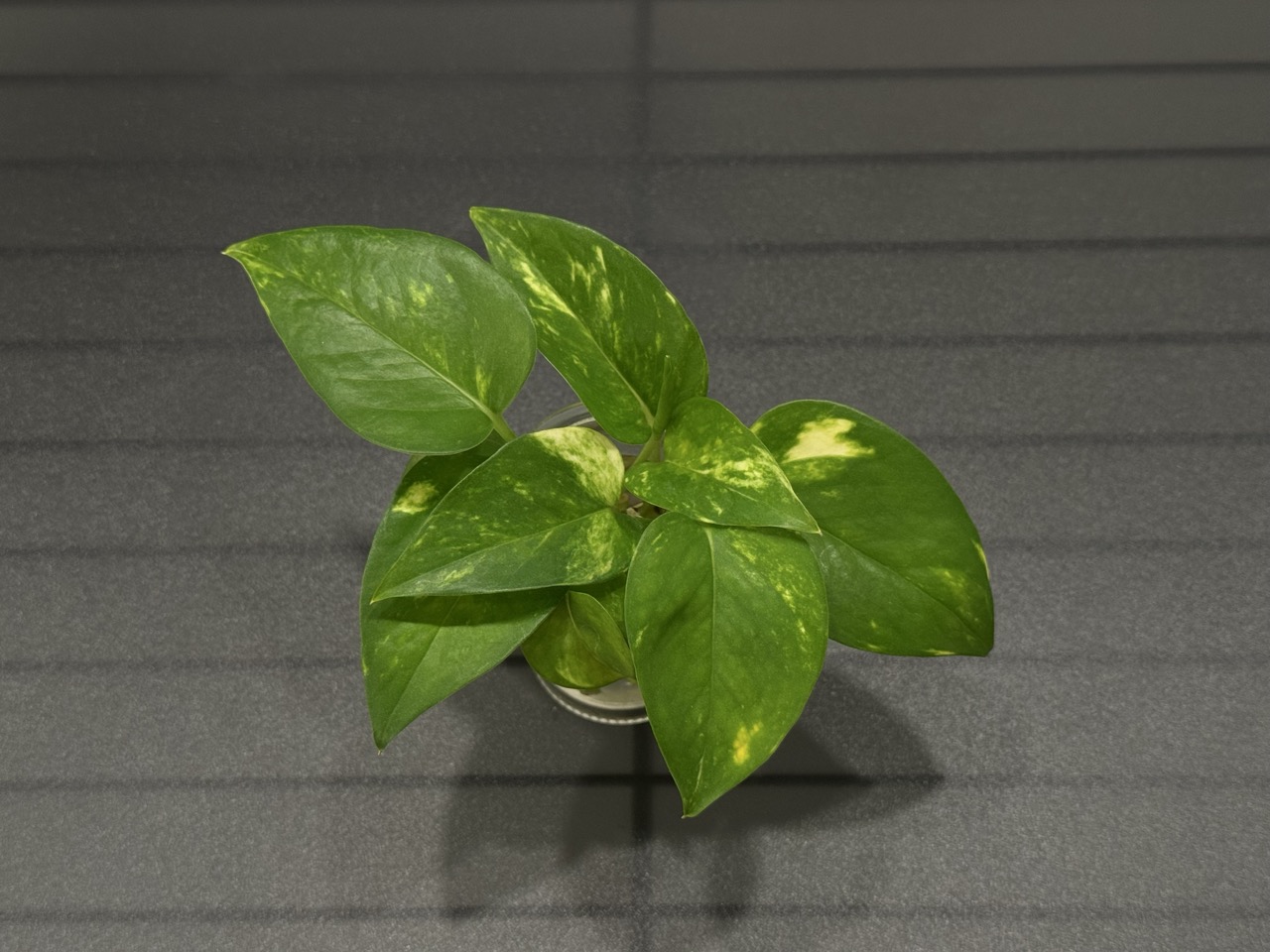
They may be confused with other Monstereae such as Rhaphidophora, Scindapsus and Amydrium.
All parts of the plants are toxic, mostly due to trichosclereids (long sharp cells) and raphides. Plants can grow to over 40 m (131 ft) with leaves up to 3 m (10 ft) long, but in containers the size is much reduced. The plants, commonly known as centipede tongavine, pothos or devil's ivy, depending on species, are typically grown as houseplants in temperate regions. Juvenile leaves are bright green, often with irregularly variegated patterns of yellow or white. They may find host trees by the use of skototropism.
Source: Wikipedia

Each plant is unique; size varies so all measurements are shown as a range.